
What Are Casino Odds?
Casino odds refer to the mathematical calculations that determine the likelihood of winning in games of chance. Understanding these odds is essential for players as they dictate not only the potential return on any wager but also the house edge involved in each game. Players seeking more information may discover resources like https://xrp-casino.org/ that break down these concepts further, helping them make informed decisions. The house edge is a crucial concept that illustrates how much advantage the casino holds over players over time. For instance, in a slot machine game, the odds might indicate that the player has a 1 in 100 chance of hitting the jackpot, implying a challenging path to winning big payouts.
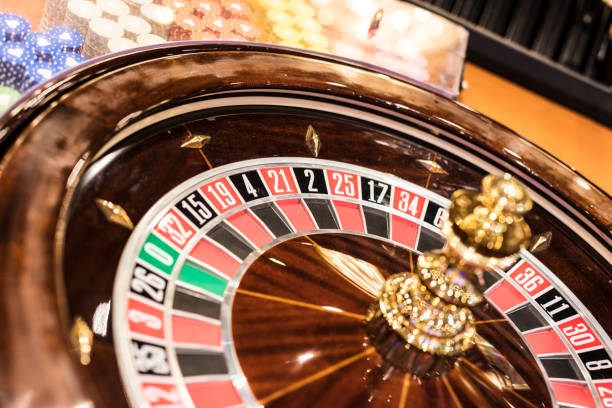
Each game in a casino has its specific odds that impact the player’s strategy. For example, in games like blackjack and poker, players can use skill and strategy to improve their winning chances. However, in games of pure chance, like roulette or slots, odds are predetermined and largely dependent on the game’s design. This difference illustrates why it is crucial for players to familiarize themselves with the odds of the specific games they wish to play, as it can significantly impact their overall experience and financial outcome.
Comparing odds across various games can help players make more informed decisions. For example, the odds of winning in a game of roulette differ vastly from those in blackjack. In roulette, the outcome is entirely dependent on the spin of the wheel, while in blackjack, strategic decision-making can sway the results in favor of the player. Understanding these fundamental differences allows players to tailor their gaming choices to their risk tolerance and desired level of involvement.
The House Edge Explained
The house edge is a crucial component in understanding casino odds, as it represents the mathematical advantage that the casino maintains over the players. This edge is built into the games and ensures that the casino is profitable in the long run. For instance, in American roulette, the presence of both a zero and a double zero gives the house a significant edge, leading to a lower probability of winning for players. This means that, although a player might win in the short term, over a long period, the house edge guarantees that the casino will make a profit.
Players should consider the house edge when choosing which games to play. Games with lower house edges, like blackjack or baccarat, usually provide better odds for players than those with higher edges, like slots or certain table games. Understanding the house edge can assist players in maximizing their chances of winning while minimizing their losses. Therefore, strategic game selection based on the house edge is crucial for players aiming to enhance their overall experience.
Additionally, the house edge can vary between different versions of games. For example, a single-deck blackjack game typically has a lower house edge compared to a multi-deck variant. This variance emphasizes the importance of understanding not only the basic mechanics of a game but also how various factors, including the house edge, can influence outcomes. Consequently, players who take the time to research and comprehend these nuances often find themselves better positioned to succeed in the casino environment.
Types of Casino Games and Their Odds
Casino games can generally be categorized into table games, electronic games, and live dealer games, each with its distinct odds. Table games such as blackjack, craps, and baccarat involve a blend of luck and strategy. For example, in blackjack, players can reduce the house edge by employing basic strategy, while in craps, understanding the various betting options can help players make better decisions. Each game offers different odds based on the rules and the player’s skill level.
Electronic games like slot machines and video poker are predominantly based on luck, with their odds dictated by random number generators. Slots typically have a wide range of payout percentages, often referred to as Return to Player (RTP), which reflects the percentage of wagered money that a machine is designed to return to players over time. A slot machine with a high RTP of 95% is more favorable for players compared to one with an RTP of 85%, making it essential to be aware of these statistics.
Live dealer games combine the convenience of online gaming with the authentic experience of a brick-and-mortar casino. These games often mirror traditional table games, providing players with real-time interaction with live dealers. The odds in live dealer games are comparable to those in their physical counterparts, which allows players to utilize strategies effectively. Understanding the odds of different game types can empower players, enhancing their overall experience and potentially increasing their winnings.
Understanding Probability in Casino Games
Probability is an integral aspect of casino odds and is essential for making informed choices when gambling. In essence, probability measures the likelihood of a particular outcome occurring. For example, in a game of roulette, the probability of landing on a specific number is one in thirty-eight in American roulette due to the presence of both a zero and double zero. This low probability highlights why understanding the odds is vital for players seeking to optimize their strategies and manage their bankrolls effectively.
Players often encounter different types of bets with varying probabilities across various games. Understanding these options allows players to determine which bets are worth making. For example, in blackjack, the probability of being dealt a blackjack is approximately 4.75%, a critical figure that shapes players’ decision-making processes. By grasping these probabilities, players can engage more thoughtfully with their gameplay and adjust their strategies accordingly.
Additionally, the concept of expected value plays a significant role in understanding probabilities in casino games. The expected value is a calculation that helps players understand the average outcome of their wagers over time. For instance, if a player bets on a game with a high house edge, the expected value will be negative, meaning that, on average, they will lose money. Conversely, games with a low house edge present a more favorable expected value for players, leading to better long-term outcomes.
Finding Reliable Casino Resources and Tools
For those looking to deepen their knowledge of casino odds, various reliable resources and tools can assist in educating players about the complexities involved. Online forums and communities often include experienced players who share insights on odds, strategies, and game selection, providing a platform for learning from others’ experiences. Additionally, numerous websites specialize in offering in-depth guides on understanding game rules, odds, and the house edge, equipping players with the essential tools to make more informed decisions.
Simulators and odds calculators can also be used to practice and refine skills without financial risk. These resources allow players to experiment with different betting strategies and test their understanding of odds in real-time scenarios. By utilizing these tools, players can develop their approaches to various games and better grasp how odds impact their playing style. Furthermore, many reputable online casinos provide educational materials, such as videos and articles, that can help improve players’ knowledge of odds.
Exploring books and academic articles on gambling mathematics can also offer valuable insights into the world of casino odds. Many authors delve deep into probability, statistics, and game theory, providing players with a thorough understanding of the underlying principles that govern casino games. By investing time in researching and learning about these concepts, players are likely to enhance their gambling skills, leading to a more enjoyable and potentially profitable experience in the casino environment.